
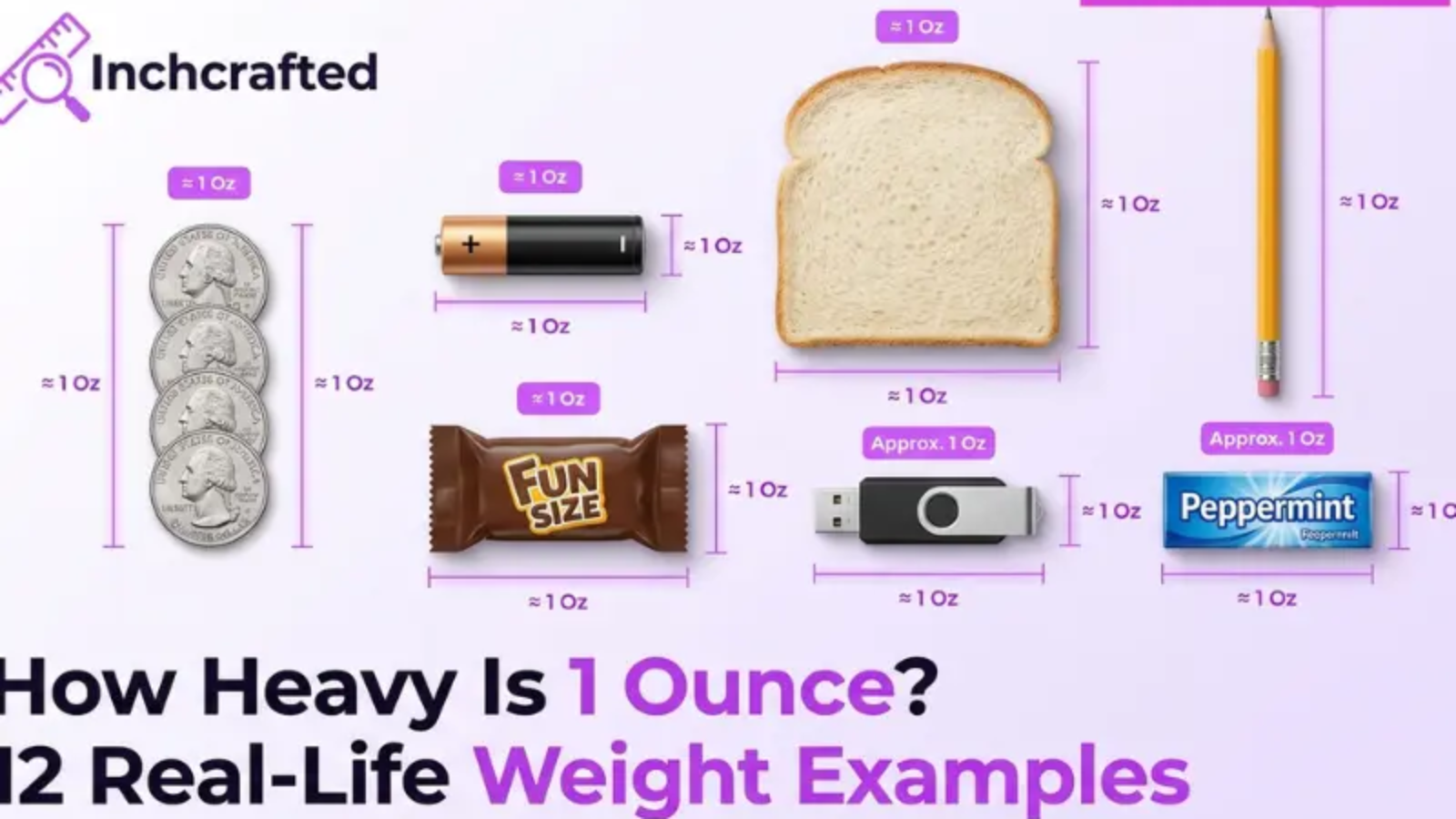
1 oz weighs about 28.35 grams. In real life, it’s close to the weight of a slice of bread, a pencil, or about eight standard paper clips.
How heavy is 1 ounce in real life? While the measurement may sound very small, many people still struggle to picture its actual weight without using a scale. In everyday situations, 1 ounce feels close to the weight of a pencil, a slice of bread, or a small AA battery.
Comparing weight with familiar objects makes the measurement much easier to recognize than relying on numbers alone. This guide will help you quickly visualize 1 ounce using simple real-world examples and common things you already see every day.
Related Post: How Long is 15 Inches?
How Heavy Is 1 Ounce?
Many people hear measurements like “1 ounce” when reading food labels, mailing packages, cooking, or buying small products online. But without holding something in your hand, it can still be difficult to understand how heavy 1 ounce actually feels.
Numbers alone rarely create a clear sense of weight. That’s why comparing ounces with familiar everyday objects works much better. Once you connect the measurement with items you already use daily, estimating weight becomes much easier and more natural.
One ounce is considered a lightweight measurement, but it still appears everywhere in daily life — from snacks and stationery items to beauty products and household accessories.
This guide will help you quickly visualize what 1 ounce feels like using simple real-world examples and practical comparisons.
1 Ounce Conversion Chart
| Measurement | Equivalent |
| 1 ounce in grams | 28.35 g |
| 1 ounce in pounds | 0.0625 lb |
| 1 ounce in kilograms | 0.028 kg |
| 1 ounce in milligrams | 28,350 mg |
These conversions make it easier to compare ounces with other common weight measurements.
What Does 1 Ounce Feel Like?
One ounce feels very light in your hand. It’s small enough to carry comfortably but still heavy enough to notice immediately when picked up.
A good way to picture 1 ounce is to imagine:
- a standard slice of bread
- a handful of paper clips
- a regular pencil
- a small packet of sugar
These simple comparisons make the weight easier to remember in daily life.
Why Ounces Are Commonly Used
The ounce is one of the most widely used small-weight measurements, especially in:
- food packaging
- cooking ingredients
- jewelry
- mailing items
- cosmetics
- nutrition labels
Because it measures lighter objects accurately, ounces are practical for many everyday products.
12 Everyday Things That Weigh About 1 Ounce
Real-world comparisons are one of the easiest ways to understand weight. The objects below are all close to 1 ounce and help create a much clearer idea of how heavy this measurement feels in real life.
1. A Slice of Bread

A standard sandwich bread slice weighs close to 1 ounce.
Because bread is lightweight but still noticeable in your hand, it creates a simple and familiar weight reference.
2. Eight Paper Clips

Around eight standard paper clips together weigh about 1 ounce.
This comparison works well because paper clips are common office items that most people recognize instantly.
3. A Wooden Pencil

Many regular wooden pencils weigh approximately 1 ounce.
School and office supplies like pencils make weight comparisons easier to picture naturally.
4. A AA Battery
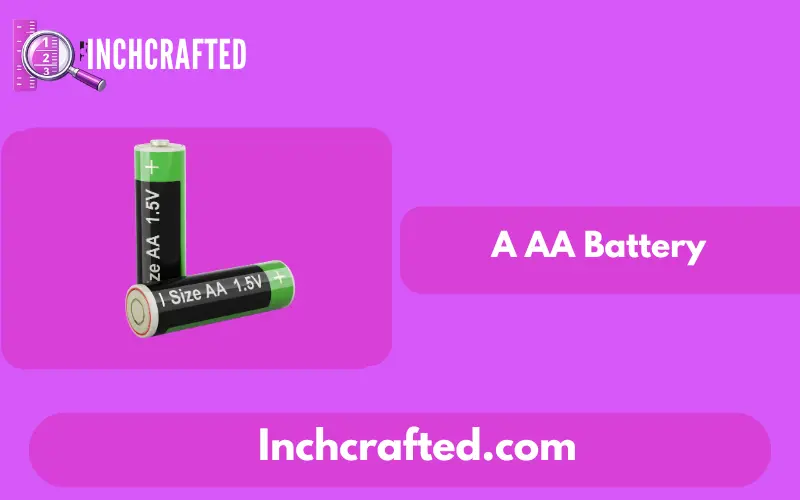
A single AA battery weighs close to 1 ounce depending on the brand.
Because batteries are dense for their size, they provide a useful example of compact weight.
5. A Small Pack of Gum

Several small chewing gum packs weigh around 1 ounce.
This creates an easy everyday comparison that many people can quickly visualize.
6. Two Tablespoons of Peanut Butter

Two tablespoons of peanut butter weigh close to 1 ounce.
Food comparisons are especially helpful because people handle them regularly while cooking or eating.
7. A Standard Letter Envelope
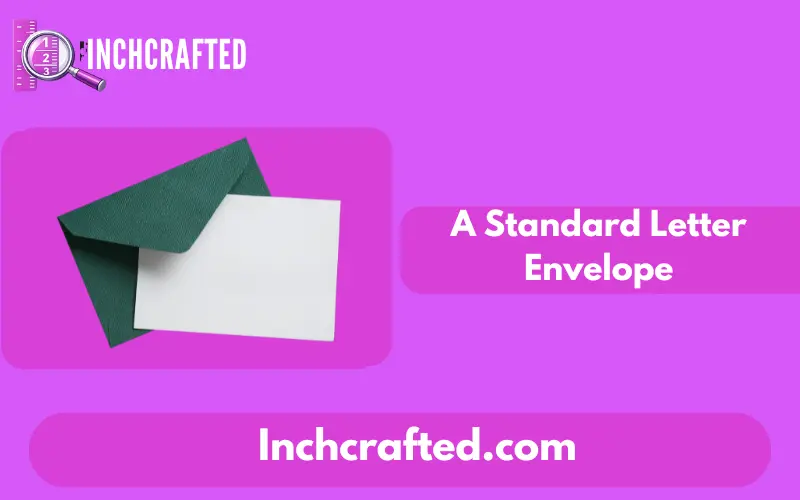
A regular mailing envelope with a few sheets of paper often weighs about 1 ounce.
This is why postal services commonly use the ounce measurement for lightweight mail.
8. A Lightweight Earbud Case
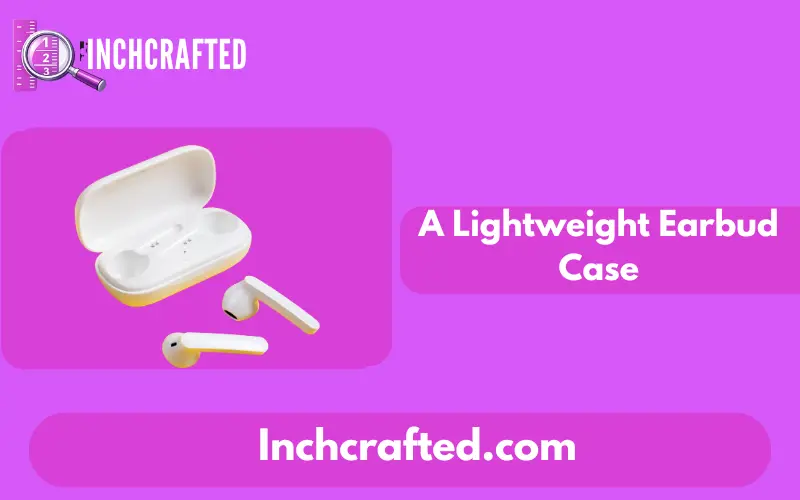
Some compact wireless earbud charging cases weigh close to 1 ounce.
Modern electronics provide relatable size and weight references for everyday use.
9. A Small Handful of Coins

A few mixed coins together can weigh around 1 ounce.
Because coins are dense metal objects, even a small handful feels surprisingly noticeable.
10. A Travel Shampoo Bottle

Mini travel-sized shampoo bottles are often close to 1 ounce in weight or capacity.
Travel products make useful examples because ounce measurements are commonly printed on packaging.
11. A Thin Chocolate Bar
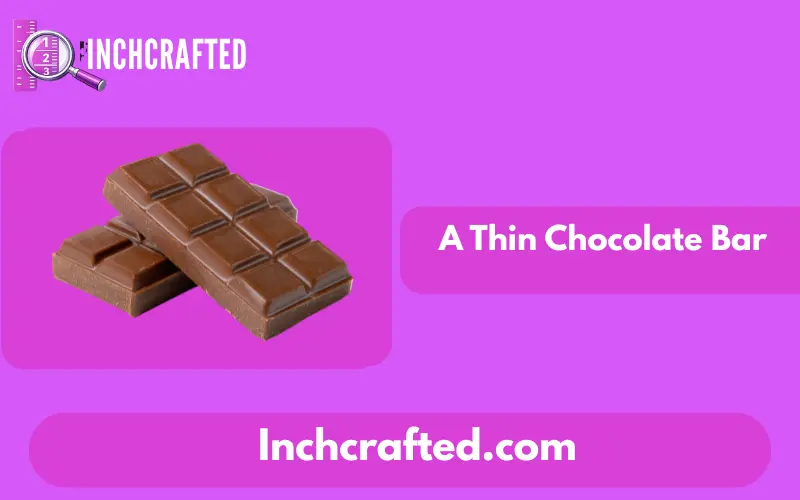
Several small chocolate bars weigh about 1 ounce.
Snack items create memorable comparisons because people buy and hold them frequently.
12. A USB Flash Drive
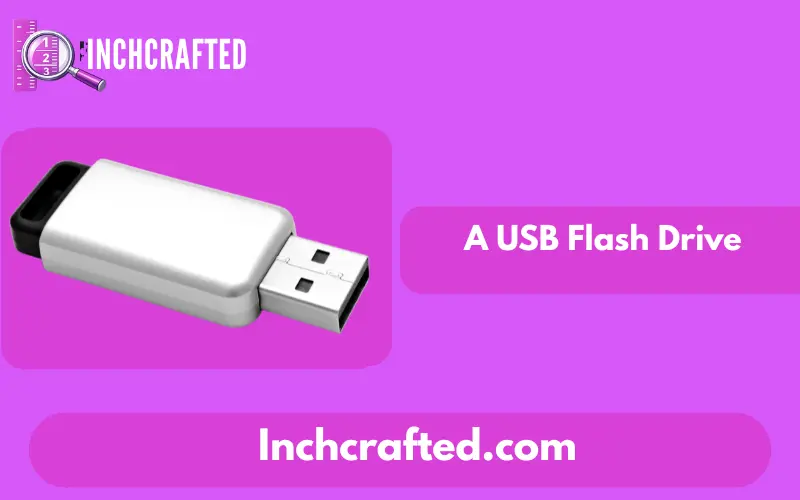
Some metal USB drives weigh close to 1 ounce.
Small tech accessories help show how compact objects can still have noticeable weight.
Is 1 Ounce Heavy or Light?
In everyday situations, 1 ounce is considered very light.
It is:
- lighter than most smartphones
- easy to carry in one hand
- common in food and small accessories
- noticeable without feeling heavy
Because of this balance, ounces are ideal for measuring compact everyday items.
Why 1 Ounce Is Easier to Notice Than You Think
Even though 1 ounce is considered a lightweight measurement, it is still heavy enough to feel clearly in your hand. Many people imagine an ounce as almost weightless, but real-life objects around this size are usually more noticeable than expected.
For example, a AA battery, a chocolate bar, or a small stack of paper clips may look tiny, yet they still have enough weight to feel solid when picked up. That’s why learning through real objects creates a much better knowing than memorizing numbers alone.
How Small Is 1 Ounce Compared to Daily Objects?
One ounce is much lighter than most products people carry every day.
Here’s a quick comparison:
| Object | Approximate Weight |
| Paper clip | Less than 1 ounce |
| Pencil | About 1 ounce |
| Smartphone | 6–8 ounces |
| Coffee mug | 10–15 ounces |
| Laptop | 40+ ounces |
This table helps show where 1 ounce fits among common everyday items.
Why Food Labels Use Ounces So Often
Ounces are extremely common in food packaging because they work well for measuring smaller portions.
You’ll often see ounces used for:
- snacks
- chocolate bars
- chips
- spices
- protein servings
- sauces
For example, many snack packs and nutrition labels list serving sizes in ounces because the measurement is small, simple, and easy to standardize.
Once you become familiar with how heavy 1 ounce feels, reading food labels becomes much easier.
What 1 Ounce Feels Like in Your Hand
A single ounce feels light but still noticeable when held.
It is:
- easy to carry
- compact in size
- heavier than most people expect
- commonly used for small products
One reason people struggle with weight estimation is that the brain remembers visual size faster than physical heaviness. That’s why familiar object comparisons make such a big difference.
Why Real-Life Comparisons Help With Weight Estimation
Weight measurements can feel abstract when they are explained only with numbers.
Saying “28.35 grams” may not create a clear mental image for most people. But comparing that same weight to:
- a pencil
- a slice of bread
- a gum pack
- a AA battery
instantly makes the measurement easier to understand.
This is the same reason why real-world examples are commonly used in cooking, fitness, shipping, and education.
Common Situations Where You’ll Notice 1 Ounce
You probably interact with 1-ounce items more often than you realize.
This measurement commonly appears in:
- travel-size toiletries
- mailing envelopes
- snack packaging
- office supplies
- jewelry accessories
- lightweight electronics
Because it is small yet practical, 1 ounce is widely used in daily products and packaging.
Can You Guess 1 Ounce Accurately?
Yes — after seeing enough real-life comparisons, estimating 1 ounce becomes much easier.
Most people improve their weight estimation naturally by repeatedly handling objects around the same weight range. Over time, your brain begins recognizing lightweight measurements automatically.
For example, after frequently holding:
- batteries
- pencils
- small snack packs
- USB drives
you start developing a much clearer sense of how heavy 1 ounce feels.
1 Ounce vs 1 Pound: What’s the Difference?
Many people confuse ounces and pounds because both are used for weight measurements.
Here’s the difference:
| Measurement | Equivalent |
| 1 ounce | 28.35 grams |
| 16 ounces | 1 pound |
That means:
👉 16 individual 1-ounce objects together would equal about 1 pound.
This comparison makes it easier to understand how small an ounce really is compared to larger weight measurements.
Why Learning Weight Through Objects Works Better
Most people remember physical experiences better than numbers.
That’s why comparing measurements with familiar items helps improve:
- cooking accuracy
- package estimation
- shopping decisions
- portion control
- mailing calculations
Once you connect weight with everyday objects, estimating ounces becomes faster, easier, and more practical in daily life.
Why People Misjudge Small Weights
Many people can estimate size more easily than weight. That’s because visual measurements are easier to recognize instantly than physical heaviness.
For example, most people can picture a pencil quickly, but imagining “28 grams” alone feels much harder.
Real-world comparisons solve that problem by connecting weight with familiar objects.
How to Estimate 1 Ounce Without a Scale
If you don’t have a scale nearby, you can estimate 1 ounce by comparing it with common objects like:
- a slice of bread
- a AA battery
- a pencil
- a small chocolate bar
Over time, these comparisons help train your sense of weight naturally.
1 Ounce Compared to Other Common Weights
| Weight | Real-Life Comparison |
| 0.5 ounce | Few paper clips |
| 1 ounce | Slice of bread |
| 2 ounces | Small apple |
| 4 ounces | Deck of cards |
| 8 ounces | Standard drinking cup |
This comparison helps place 1 ounce among other familiar weights.
FAQs
How heavy is 1 ounce in grams?
1 ounce equals 28.35 grams.
What does 1 ounce feel like?
It feels similar to a slice of bread, a pencil, or a AA battery.
Is 1 ounce heavy?
No. One ounce is considered very light in everyday use.
What are common things that weigh 1 ounce?
Examples include pencils, bread slices, gum packs, AA batteries, and USB drives.
Can I estimate 1 ounce without a scale?
Yes. Familiar items like a pencil or slice of bread can help estimate the weight easily.
See Also
- How Long is 15 inches?
- How Long is 14 inches
- How Long is 13 inches
- How Long is 12 inches
- How Long is 11 inches
Conclusion
Getting a clear idea of how heavy 1 ounce is becomes much easier when you compare the measurement with familiar everyday objects instead of relying only on numbers. Simple items like pencils, bread slices, batteries, and chocolate bars create practical weight references that are easier to remember in daily life.
Once these comparisons become familiar, estimating 1 ounce feels much more natural and accurate — even without using a scale nearby.